
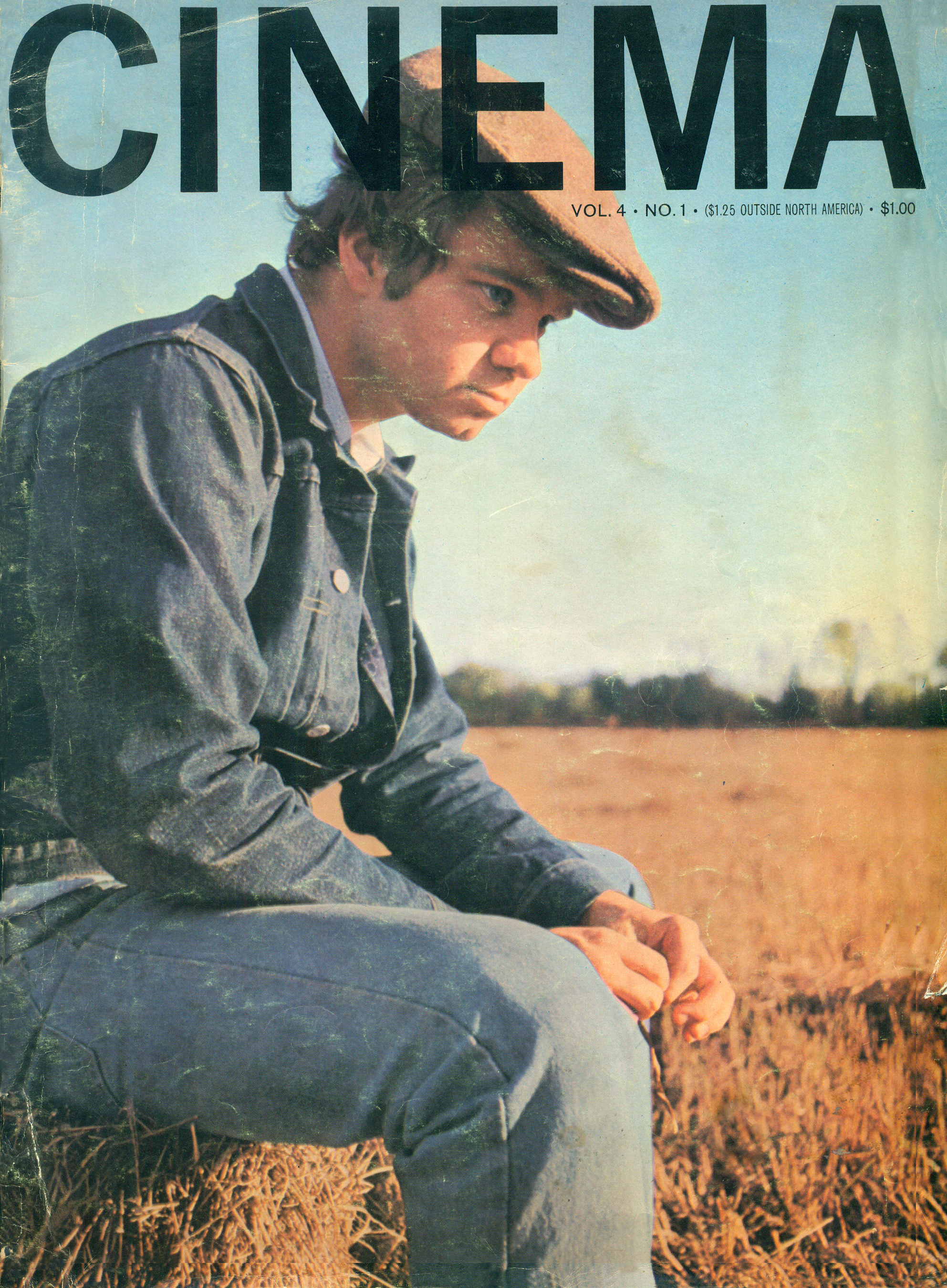
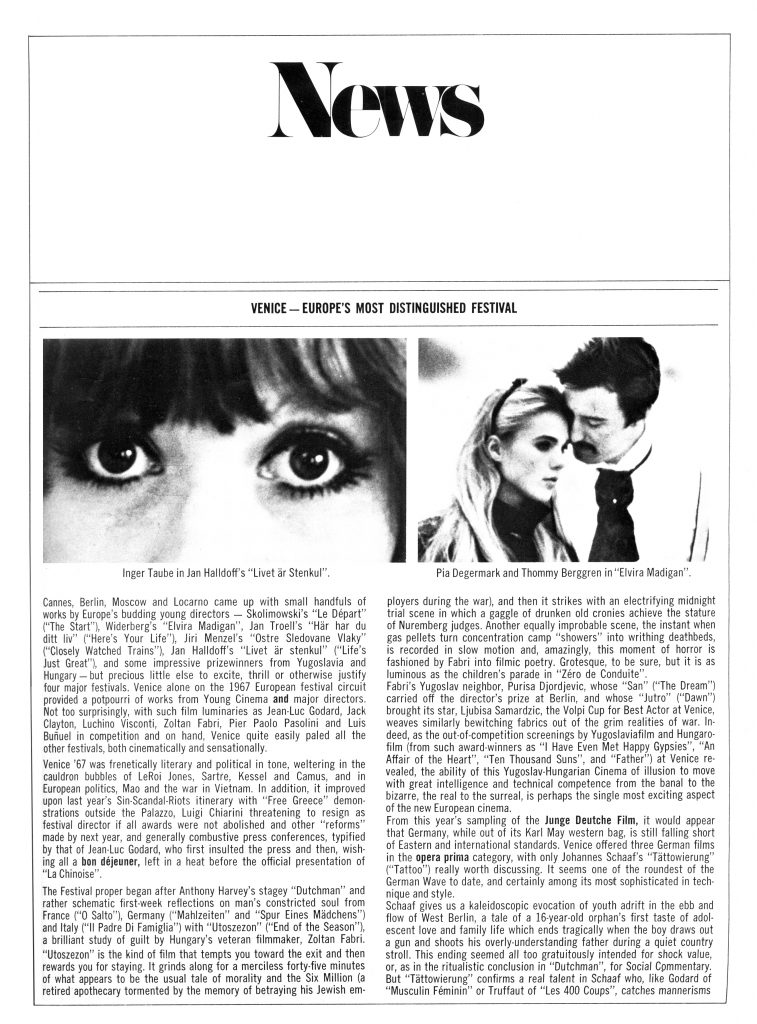
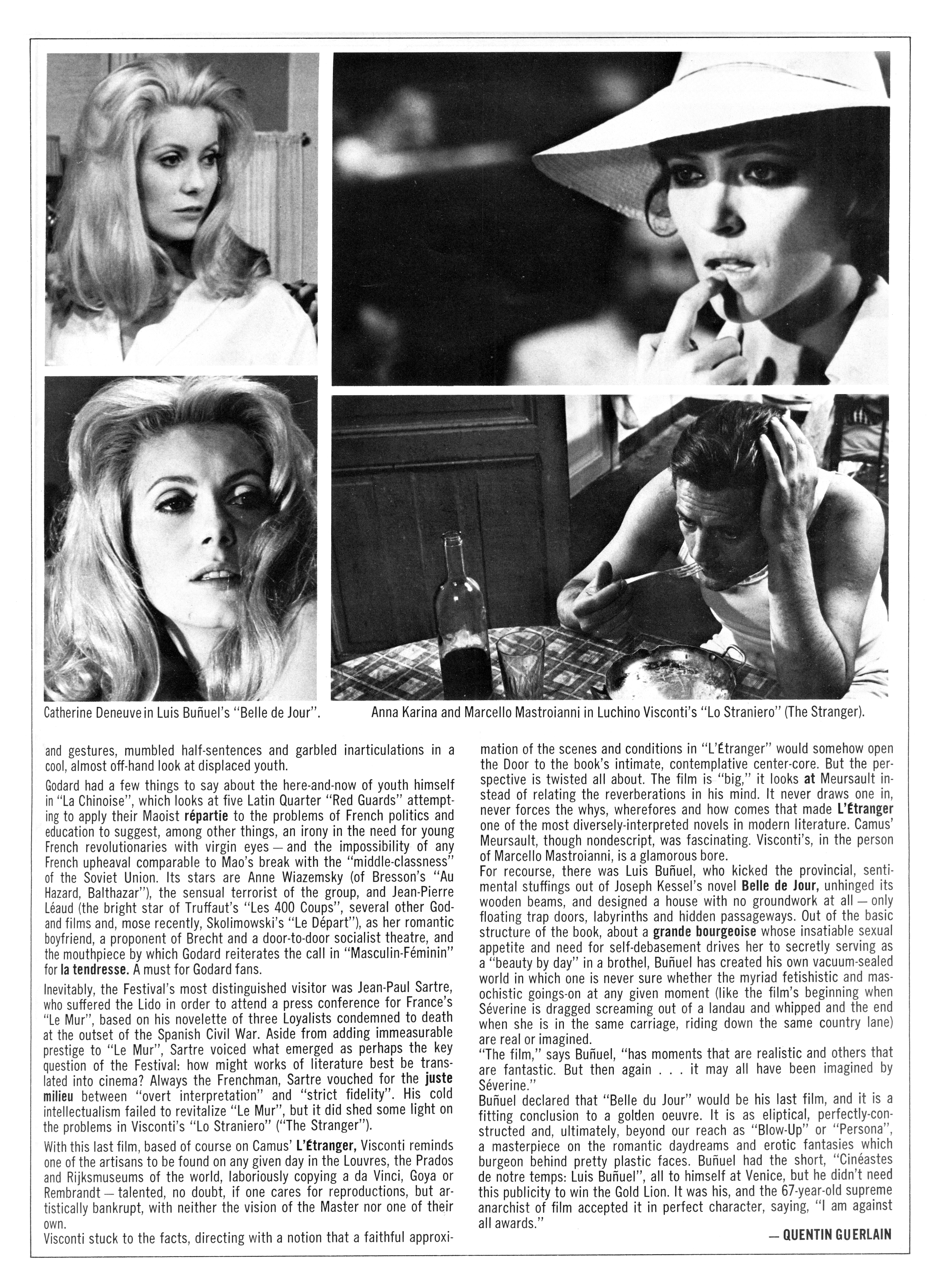
Quentin attended the University of California at Berkeley on a scholarship, and during his freshman year wrote foreign film reviews for the Graduate Weekly Newspaper. Using these film reviews as his résumé, he met with the San Francisco Chronicle Datebook Editor who provided him with a letter of accreditation enabling him to be a guest at three European film festivals. While attending the Locarno Film Festival, he received his first professional film critic’s check from the Los Angeles Times for his article on the Berlin Film Festival. His subsequent film festival critiques and articles were printed in the San Francisco Chronicle, the L.A. Times and the prestigious CINEMA Magazine edited by Curtis Hanson, later an Academy Award winner for co-writing the motion picture screenplay for L.A. Confidential.
At 22, and yearning to make films, he transferred to UCLA to major in Motion Picture. There, his first short film was awarded a First Place by students and faculty, leading to receiving a U.C. Regents’ Fellowship cash prize for a film project on the arts and culture in 1969.
But just when his prospects as a filmmaker loomed so large at UCLA, Quentin elected to tour Europe by van and live in his own casa on the Spanish Balearic isle of Formentera. From there he would travel onward to Israel, where he managed to live on two kibbutzim and rent two houses: one in Achziv on the northern coast, and another in the country surrounded by miles of citrus orchards. With a traveling partner, he would make a bold trip journeying overland from Damascus to Baghdad, and onward through Iran, to enter restive Afghanistan, and thence down the Khyber Pass to Pakistan and across India. He would secure a room in a house in the country owned by Ravi Shankar’s sister, and commute to Calcutta to study sitar with a blind music master for 3 months before leaving for fabled Nepal. He wintered in scarcely visited Kathmandu; and with the India-Pakistan war raging, he would relish rubbing shoulders with sadhus, pilgrims, swamis, Tibetan monks and Nepalese locals for all of three months before returning to Israel: an exotic safe zone oasis in the Middle East.
The year was 1973. The Yom Kippur War broke out in October of 1973. Attacked on Israel’s holiest day, the Israel Air Force pilots downed all the Egyptian jets they faced, while Israel’s tankists demolished a column of 1,000 Syrian tanks—and Israel managed to survive the infamous attack by six Arab countries that paid the price for aggression. After the war, he visited his paternal relatives in Croatia; and then, finally prepared for a return home after 52 straight months of travels he took a passenger ship from Rotterdam to Montreal and made his way back to fast-paced California in October 1974.
In 1977 Quentin was involved in a car accident that would propel him into the world of acupuncture, chiropractic care, PT, yoga, Tai Qi and self-massage. Having already done considerable reading in Chinese Medicine through his grandfather’s influence and books on Acupuncture, he promptly enrolled at the S.F. College of Acupuncture. Concurrently, he went from self-healing to making a reputation providing acupressure treatment to clients in therapy-thick Marin County.
After initially finding employment as a legal secretary, he snared a prominent job working full-time as a legal-medical writer assisting the President of the California Orthopedic Association in final evaluations in the field of Workmen’s Compensation—doing meticulous work summarizing vast areas of Western Medicine, alternative healing, psychiatric opinions, plus diagnostic studies and depositions to decide cases.
Passing his California Acupuncture Boards in 1988, he was now Quentin Guerlain, Licensed Acupuncturist. But he never stopped pursuing his dream of finding his voice as a writer. Shortly thereafter, he would land a literary agent in Hollywood for representation of his motion picture screenplay of The Fifty Flasks, a visionary black comedy thriller gaining widespread readings from major film production companies and studios.
It was at this time that his father, at age 85, suffered a stroke and asked Quentin to write his story as an Intelligence Officer in the Spanish Civil War, which Quentin agreed to do. And thus, committed to a project requiring extensive reading, researching and interviewing his father for what amounted to 8 years just to start to produce his MS, he would embark upon a full 16 years odyssey to launch the publication of his first novel, NOM DE GUERRE: IVAN, the epic saga exploring his father’s unique role as the highest ranking Intelligence Officer in the International Brigades fighting the German-Italian-Spanish Fascists and Nazis in the Spanish Civil War, the actual start of WW II.
While working on this novel, Quentin managed to generate an incredible body of novels in many genres, including a tale of an isolated female Cajun shaman hunter colliding with the modern world in THE RAT CATCHER’S DAUGHTER; a kaleidoscopic magical realism adventure accompanying two celestial Avatars bent on fixing modern India in PLANETARY PLEASURES; and an international crime thriller set in Holland and Mali following a savvy Dutch secret service agent named VINDESVERE VANDEMERE.
But topping his list as the most pressing of his novels deserving launching just now is NOM DE GUERRE: IVAN, delving deep into the heroic struggle for justice and human rights driving a war that was lost, but which became the down payment for Spain’s eventual freedom as a Democratic nation.
Venice Film Festival Review
 English
 Chinese (Traditional)
 Croatian
 French
 German
 Hebrew
 Hindi
Hindi Italian
 Russian
 Spanish